If you are looking for a neighborhood that feels private, polished, and closely tied to wine-country scenery, Ruby Hill will likely catch your eye. Many buyers want more than a beautiful house. You may also want a strong sense of setting, convenient access around the Tri-Valley, and amenities that support your day-to-day lifestyle. This guide walks you through what it is actually like to live in Ruby Hill, from the homes and views to outdoor access and commuting patterns. Let’s dive in.
Ruby Hill at a glance
Ruby Hill is a gated community in Pleasanton in Alameda County. According to the homeowners association, the neighborhood includes about 850 homes and was established in 1993. The setting is often described as private and club-oriented, with security and after-hours assistance that help reinforce that sense of privacy.
The neighborhood also sits within the Livermore Valley wine region. That matters because the setting is not just suburban. It is shaped by vineyard edges, open views, and a quieter, more scenic backdrop than many other communities in the broader East Bay.
Daily life in Ruby Hill
Life in Ruby Hill tends to revolve around a private-club atmosphere. The Club at Ruby Hill highlights amenities such as championship golf, dining, swimming, tennis, bocce, a clubhouse, and social events. If you enjoy a lifestyle where recreation and gathering spaces are built into the neighborhood experience, that is a major part of the appeal here.
For many residents, that means daily life can feel more self-contained than in a typical subdivision. You may spend your free time meeting friends for a meal at the clubhouse, using the fitness and recreation amenities, or simply enjoying the resort-style setting close to home. The overall experience leans relaxed, structured, and visually refined.
Home styles and neighborhood character
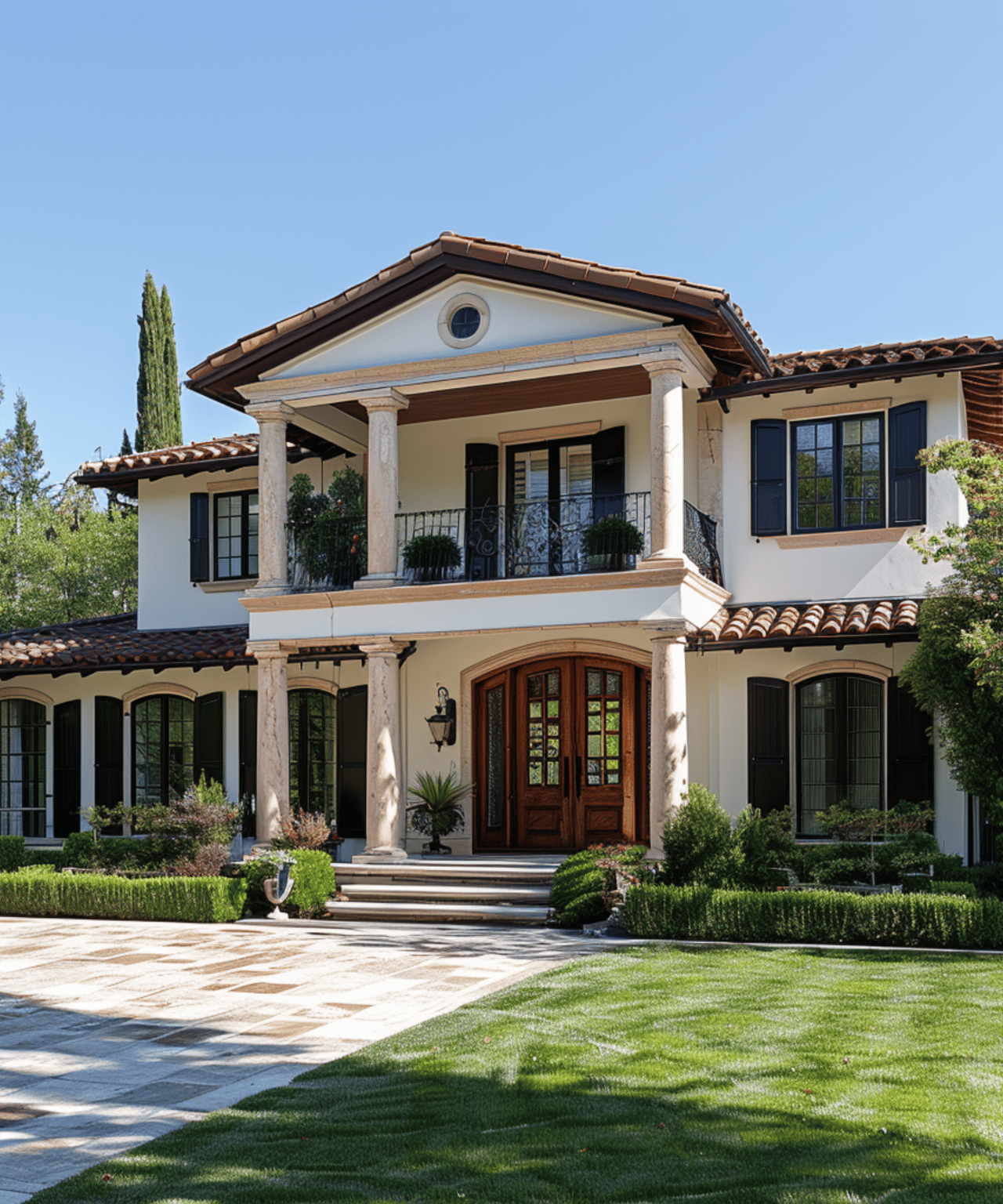
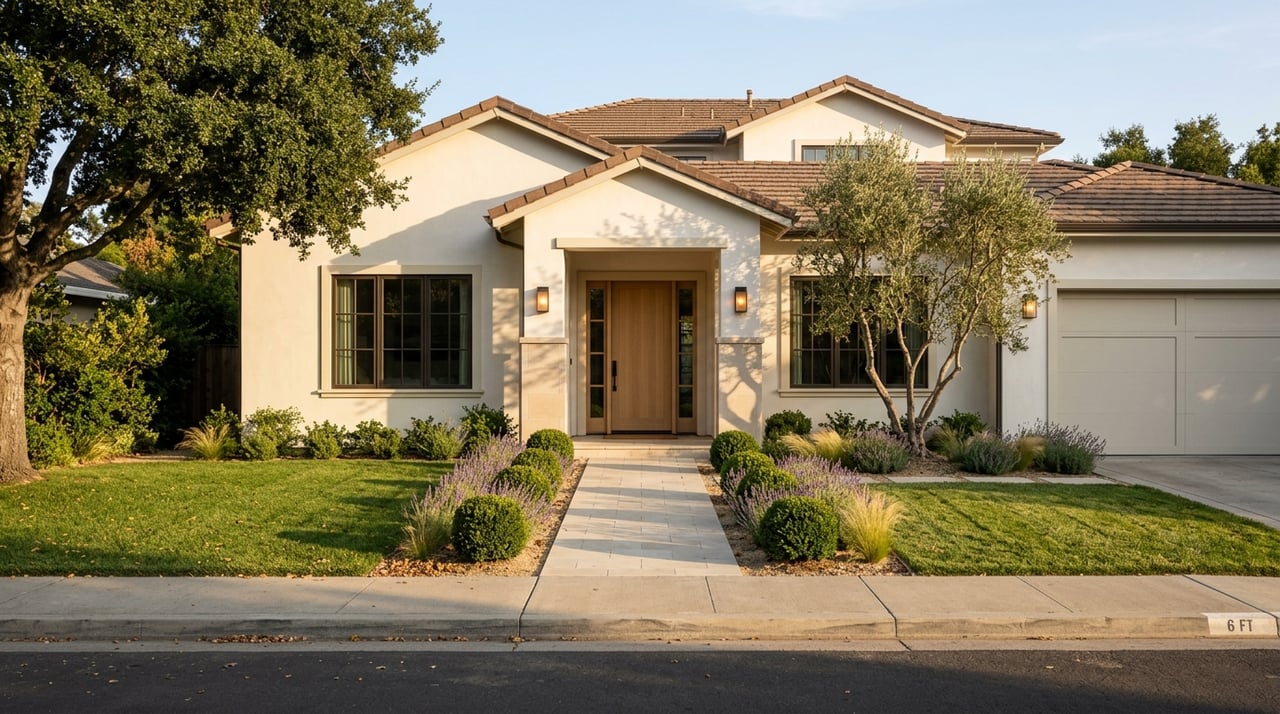
Ruby Hill is best known for custom luxury homes rather than standard tract housing. The HOA notes that the community includes custom estates exceeding 15,000 square feet, along with villas near the clubhouse. Architectural styles include French Country, Tudor, Mediterranean, and American Traditional.
That variety gives the neighborhood a more custom, estate-driven feel. Instead of one repeated look, you will see homes with different scales, layouts, and design influences. This can appeal to buyers who want a property with stronger visual identity and a more tailored feel.
The landscape also plays a big role in the neighborhood’s character. City planning documents note that the area was replanted with roughly 200 acres of grapes, vineyards line Vineyard Avenue, and conservation easements protect the 200-acre Ruby Hill Vineyard. In practical terms, that means the scenery around the community helps shape the experience of living there.
A wine-country feel close to home
One of the most distinctive things about Ruby Hill is its connection to the Livermore Valley wine region. Visit Tri-Valley describes the broader area as one of California’s oldest wine regions, with about 50 wineries and tasting rooms. That gives the neighborhood a setting that feels different from many other East Bay communities.
You are not living in the middle of a dense urban environment here. Instead, you get a backdrop of vineyards, rolling landscapes, and nearby tasting destinations that can make weekends feel more local and less rushed. For buyers who want an upscale residential environment with a scenic identity, that is a meaningful part of Ruby Hill’s appeal.
Outdoor access beyond the gates
Even though Ruby Hill has a private, inward-looking feel, you are not limited to what is inside the community. The City of Pleasanton says the city offers 46 community and neighborhood parks, more than 60 miles of trails, and over 700 acres of undeveloped open space. That creates a wide menu of options if you like to spend time outdoors.
Nearby regional parks expand those options even further. Pleasanton Ridge Regional Park includes 9,090 acres with hiking, biking, and horseback riding. Shadow Cliffs Regional Recreation Area adds a different kind of outdoor experience with a 266-acre park, an 80-acre lake, swimming, fishing, and picnic areas.
That balance is worth noting. Ruby Hill can feel quiet and self-contained, but Pleasanton gives you easy access to trails, ridgelines, open space, and recreation when you want to get out and explore.
Commuting from Ruby Hill
Ruby Hill offers a scenic setting, but it is also part of a city built around regional access. Pleasanton sits at the crossroads of Interstate 580 and Interstate 680. The city also says Pleasanton is served by BART, ACE Rail, and Wheels transit, which gives residents multiple ways to connect across the region.
Pleasanton has two BART stations, and ACE Rail serves the Pleasanton station on its Stockton-to-San Jose commuter corridor. Wheels transit also connects riders to BART, ACE, and destinations in Oakland and San Francisco. For buyers who need access to job centers while still wanting a more residential environment, this transportation mix is an important advantage.
The city describes Pleasanton as less than 45 minutes from San Francisco, Silicon Valley, San Jose, and the Central Valley. It also highlights major employers in and around the area, including Workday, Oracle, Kaiser Permanente, Roche Molecular Systems, Thermo Fisher, and 10x Genomics. That helps explain why Pleasanton continues to attract buyers who want both lifestyle and connectivity.
What local commute patterns look like
Pleasanton commute data shows there is no single standard routine. According to city survey data, 32% of residents reported a commute under 15 minutes, 17% reported 15 to 29 minutes, 32% reported 30 to 59 minutes, and 19% reported 60 minutes or more. In other words, residents use Pleasanton in different ways depending on where they work.
The busiest commute windows were reported as 7:00 to 9:59 a.m. and 4:00 to 5:59 p.m. Bernal Avenue, Santa Rita Road, and Hopyard Road were among the most commonly used streets for residents. If you are planning a move to Ruby Hill, it helps to think through your own work pattern rather than assuming one typical commute experience fits everyone.
Who Ruby Hill tends to attract
Ruby Hill often appeals to buyers who want a combination of privacy, custom-home architecture, club amenities, and a scenic setting. If you value a neighborhood with a strong sense of arrival and a more estate-style environment, this community may feel like a fit. It can also stand out for relocators and move-up buyers who want a polished residential setting in the Tri-Valley.
At the same time, the neighborhood is not just about prestige. It also offers a practical side through Pleasanton’s freeway access, rail options, and broad outdoor network. That mix of lifestyle and convenience is a big reason Ruby Hill remains a standout option in the local market.
What to consider before moving
Every neighborhood has a personality, and Ruby Hill is no exception. Before you move, think about how much value you place on gated privacy, club-centered living, custom-home character, and a wine-country setting. Those are the features that most clearly define the day-to-day experience here.
It also helps to consider your routine beyond the neighborhood itself. You may love the setting, but your comfort with commute times, club amenities, and the overall pace of the community should all factor into your decision. The right fit comes from matching the neighborhood’s lifestyle with the way you actually want to live.
If you are weighing a move to Ruby Hill or preparing to sell a home in Pleasanton, local guidance can make the process much smoother. The Couture Real Estate Team offers hands-on support for buyers, sellers, relocations, and move-up clients across the Tri-Valley, with the local insight and high-touch service that help you make confident decisions.
FAQs
What is Ruby Hill in Pleasanton known for?
- Ruby Hill is known for its gated setting, custom luxury homes, private-club atmosphere, golf and social amenities, and its location within the Livermore Valley wine region.
What types of homes are in Ruby Hill?
- Ruby Hill includes custom estates, villas near the clubhouse, and homes in styles such as French Country, Tudor, Mediterranean, and American Traditional.
What is the lifestyle like in Ruby Hill?
- Life in Ruby Hill is often centered around private-club amenities, scenic surroundings, and a more polished, self-contained neighborhood experience.
Is Ruby Hill close to parks and trails?
- Yes. In addition to neighborhood amenities, Pleasanton offers 46 parks, more than 60 miles of trails, over 700 acres of undeveloped open space, and access to regional parks such as Pleasanton Ridge and Shadow Cliffs.
How is commuting from Ruby Hill?
- Ruby Hill benefits from Pleasanton’s access to I-580, I-680, BART, ACE Rail, and Wheels transit, which supports commuting to job centers across the Bay Area and beyond.
Is Ruby Hill a good fit for relocators and move-up buyers?
- Ruby Hill can appeal to relocators and move-up buyers who want a private, upscale neighborhood with strong regional access, custom homes, and a distinctive wine-country setting.