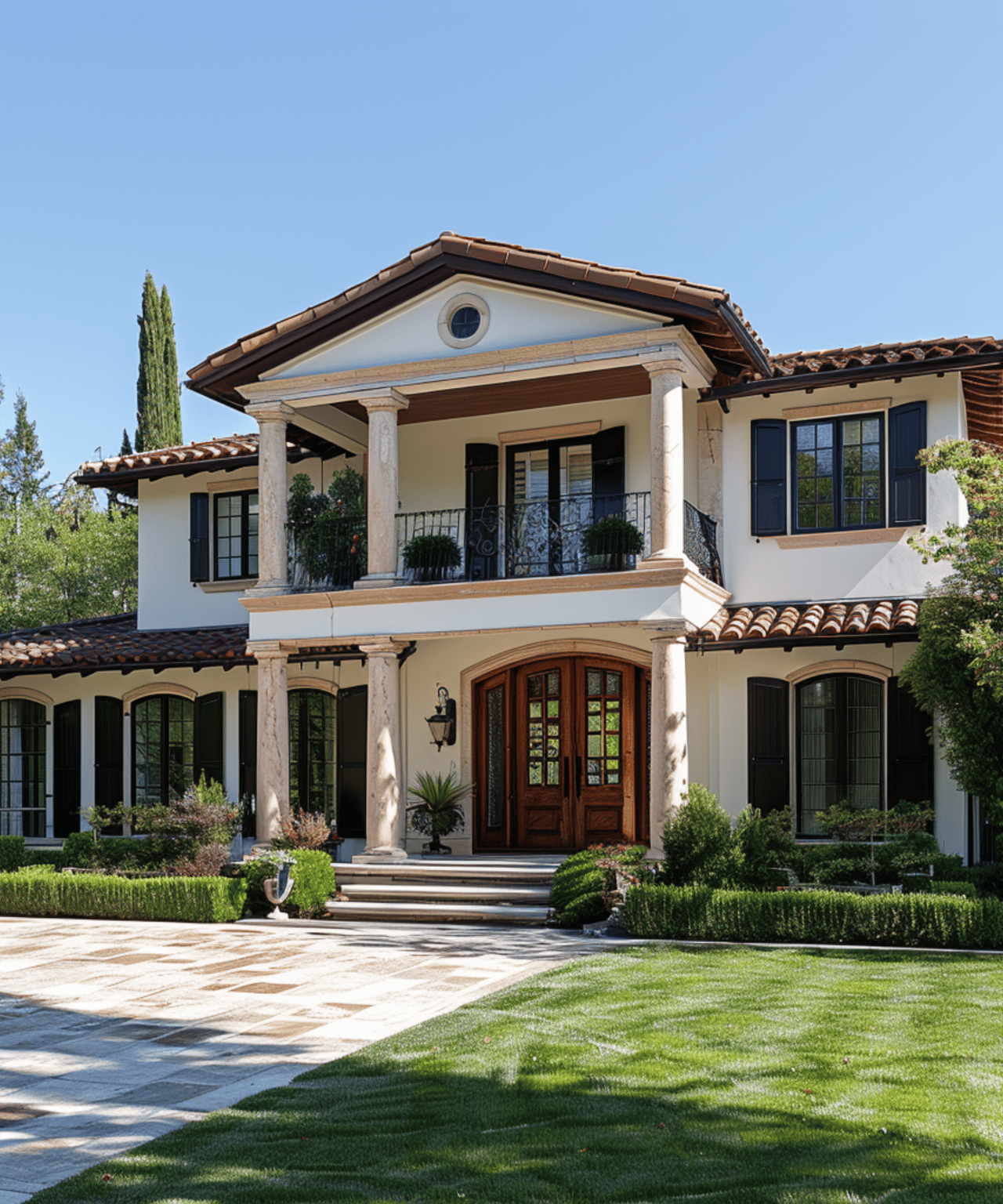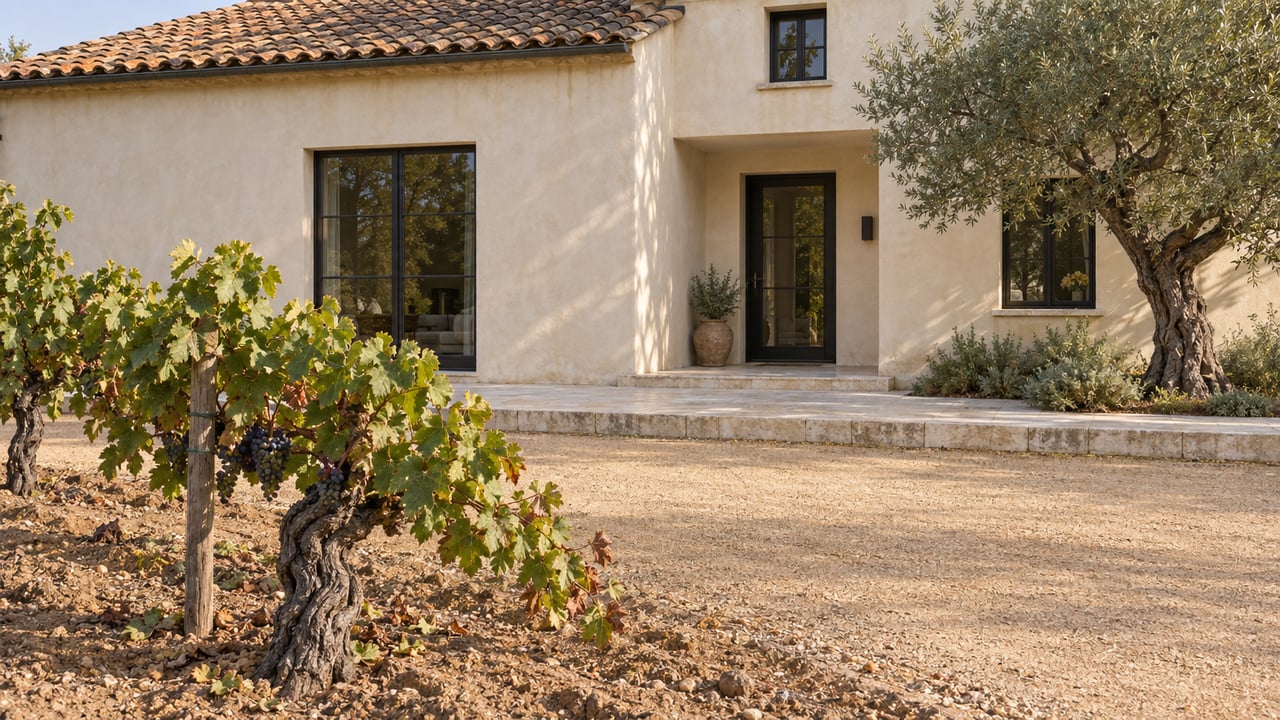
A vineyard parcel goes on the market south of downtown Livermore. The listing leads with acreage: 100 contiguous acres, or 219, or a tidy 20. Somewhere in the copy sits a phrase that reads like a bonus feature: one homesite. Most buyers skim past it the way they skim past lot dimensions on a suburban tract listing. On this land, that phrase is the whole transaction.
South Livermore's wine country parcels, the ones ringing Ruby Hill and stretching along the roads that lead to Wente, Garré, and Bodegas Aguirre, are not zoned or taxed like anything a move-up buyer from a subdivision would recognize. The acreage number in the listing usually isn't describing how much land you get to build on. It's describing how much land you have to agree not to build on, in exchange for a tax bill that has nothing to do with what the property would fetch on the open market.
Three different numbers, three different rules
Ask why a 20-acre parcel in South Livermore comes with exactly one buildable homesite, and you're really asking about three separate regulatory layers stacked on top of each other. Buyers and even some agents new to the area tend to flatten them into a single "it's zoned agricultural" explanation. They're not the same rule.
| The number | What it actually governs |
|---|---|
| 100 acres | Alameda County's minimum size to establish a brand-new Agricultural Preserve under the county's Uniform Rules |
| 10 or 40 acres | The county's minimum parcel size to enter a new Williamson Act contract, 10 acres for land classified as prime agricultural, 40 acres for everything else |
| 20 acres, one homesite | The South Livermore Valley Area Plan's cluster provision, available only if a permanent agricultural conservation easement is placed over 90 percent of each 20-acre parcel |
The number that shows up in a listing's headline is almost always the third one, and it's the one most buyers misread. A 20-acre parcel with one homesite doesn't mean 20 acres of buildable land. County records describing the plan's cluster program spell out that each qualifying 20-acre parcel earns exactly "one homesite, including one residential unit and residential accessory uses," with an accessory dwelling unit counting as part of that same allowance rather than a second unit. Buy more acreage under this program and you don't get more house. You get more vineyard you're contractually obligated to keep as vineyard, wrapped around the same single building envelope.
The tax bill is a contract, not a feature
The other number every buyer eventually asks about is the property tax bill, because on Williamson Act land it can look startlingly low relative to the sale price. That's by design. Contracted parcels are assessed for property tax purposes based on their agricultural income potential rather than their market value, a mechanism the California Department of Conservation lays out as the core trade of the 1965 Land Conservation Act: landowners restrict their land to agriculture, and in return the county taxes it like a farm instead of like real estate.
What surprises people is that this isn't a permanent designation attached to the soil. It's a rolling contract, and the contract survives the sale. County guidance on the Williamson Act describes it as an enforceable restriction that binds successors, meaning a buyer inherits the existing contract term along with the deed, not a fresh negotiation. In Livermore's case, the county's most recent general plan background analysis, published in 2022, put active Williamson Act contracts at roughly 1,735 acres of local farmland, concentrated south of the city limits with a smaller number of parcels to the north.
Get out of it and the tax benefit doesn't disappear overnight. Alameda County's own program materials describe nonrenewal as a nine-year process: once an owner or the county files notice, the annual tax assessment climbs gradually over that span as the parcel's taxable value shifts from the restricted agricultural figure back to its regular Proposition 13 basis. A buyer who assumes they can simply cancel the contract and start paying market-rate taxes next year, or building whatever they want next year, is planning around a timeline that doesn't exist. Full cancellation is a separate, harder path that requires Board of Supervisors approval under narrow circumstances, plus a cancellation fee, and it's the exception rather than the routine exit.
Building anything beyond the baseline triggers a second review
The Williamson Act's tax discount only survives if whatever gets built stays "compatible" with the underlying agricultural use, and Alameda County's compatible use rules for the South Livermore area are specific about what that means in practice: development outside the residence's building envelope has to be sited to keep commercial agriculture viable on the largest possible contiguous area, avoid prime soils, and cluster parking, storage, and accessory structures rather than scattering them across the parcel.
This isn't theoretical. A 2016 filing in Alameda County's records shows exactly this process playing out on a South Livermore Valley property under Williamson Act Contract No. 2016-56, authorized by the Board of Supervisors that May. The proposed addition wasn't a house at all, just agricultural and recreational facilities, and it still required a formal compatible use designation under the county's zoning ordinance before it could move forward. If a modest recreational feature needs sign-off, a buyer planning a guest house, an event barn, or a second structure well outside the two-acre building envelope should expect the same review, not a rubber stamp.
What actually gets disclosed, and what to ask for yourself
California's general disclosure law doesn't carve out a special line item for Williamson Act status the way it does for natural hazard zones or lead paint. The obligation runs through the broader duty under the state's Civil Code to disclose known material facts affecting a property's value or desirability, the same duty that covers anything else a seller knows and a buyer wouldn't otherwise discover.
Some nearby counties have made the point explicit in ordinance form. Santa Clara County requires the seller to provide, and the buyer to sign, a specific disclosure of Williamson Act contract status before a transfer completes. Alameda County's published program materials don't spell out an identical signature requirement, which means the practical safeguard for a South Livermore buyer isn't a form the county hands you automatically. It's asking your agent and escrow officer, before you write an offer, for a copy of the recorded contract itself, its current term, and whether a notice of nonrenewal has already been filed by a prior owner. The same request matters on the seller's side. If you've owned vineyard-zoned land for years and are only now realizing the tax benefit runs with a clock, that's worth confirming with the county assessor before you set a listing price that assumes the discount transfers cleanly to the next owner.
A few questions worth asking before you tour a South Livermore vineyard parcel
Does this affect regular Livermore neighborhoods, or just the vineyard parcels? The contracts are concentrated south of the city limits, on land held under the county's Agricultural Preserve Program. A subdivision home inside Livermore's built-up neighborhoods almost certainly isn't touched by any of this.
If I buy contracted land, do I inherit the contract automatically? Yes. The restriction and the tax treatment both run with the land, not with the person who signed the original contract.
Can I just cancel the contract if I want to build more than one homesite allows? There are two paths, and neither is fast. Nonrenewal phases the tax value back up over nine years under the county's own timeline. Cancellation requires Board of Supervisors approval under narrow circumstances and a fee, and it's not the typical route.
If you're weighing a vineyard-zoned parcel in South Livermore, or you've been sitting on Williamson Act land for years and are trying to figure out what actually transfers to the next owner, talk it through before you write an offer or set a price. Katherine and Michael Couture can walk through the specific contract attached to your parcel and put together a free valuation that accounts for what the acreage number really allows.