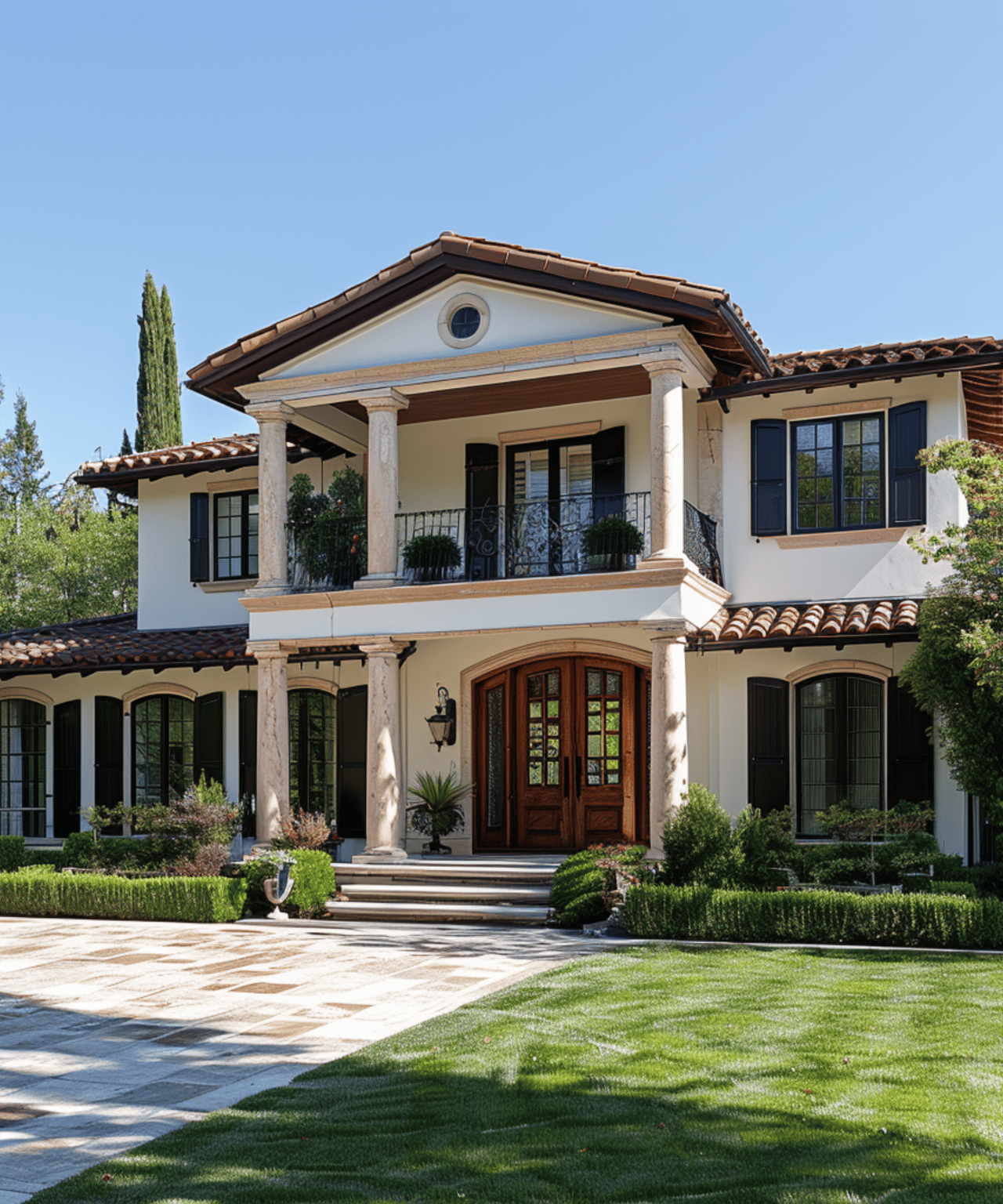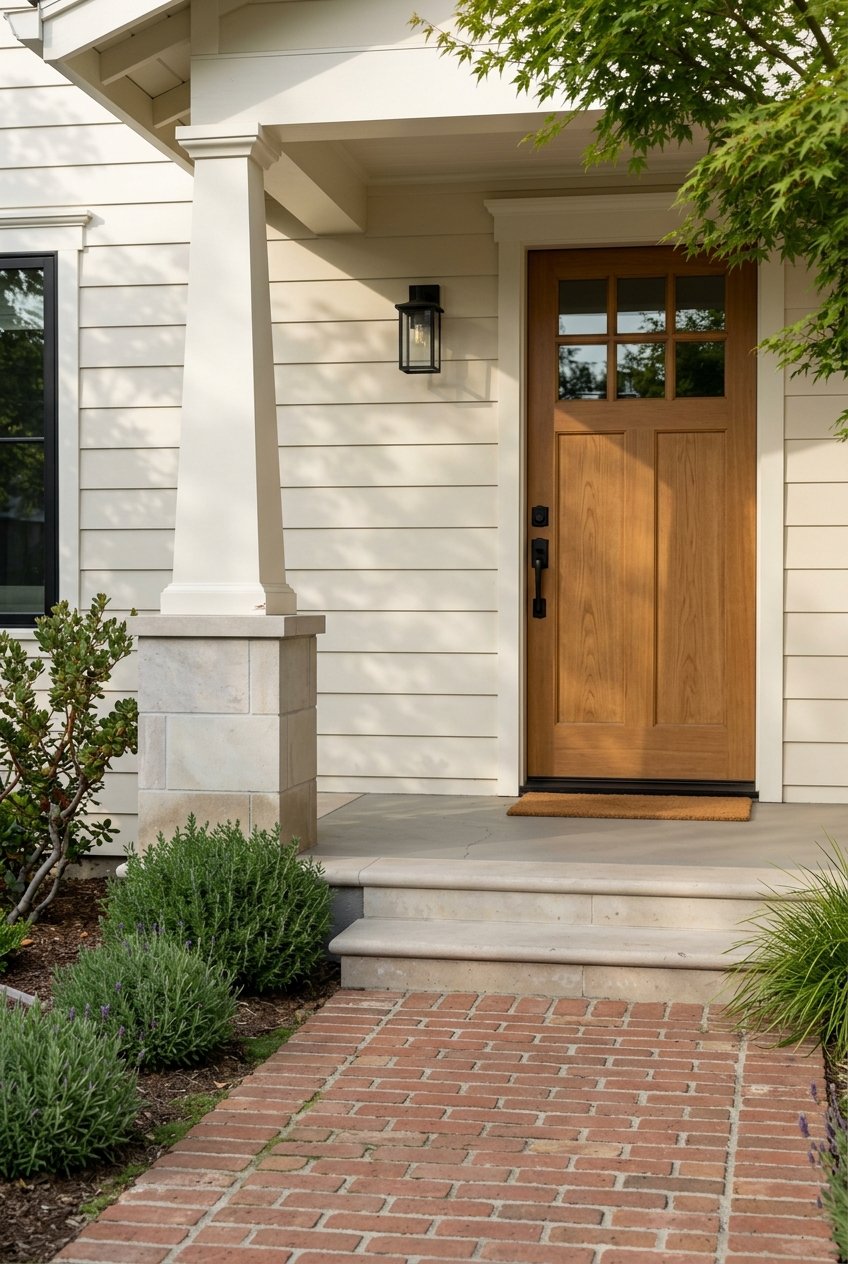
What does “living in Pleasanton” actually look like day to day? The answer depends a lot on which part of the city you choose. Pleasanton is not one uniform suburb. It is a collection of neighborhood styles, from historic downtown streets to classic cul-de-sacs to hillside areas shaped by open space and views. If you are trying to match your home search or selling strategy to the right lifestyle, this guide will help you understand the difference. Let’s dive in.
Pleasanton Has More Than One Lifestyle
Pleasanton’s neighborhood pattern was built around relatively few major arterials, with most homes on minor collector streets and cul-de-sacs. According to the city’s general plan, that layout is meant to reduce exposure to traffic and noise while creating distinct neighborhoods with access to parks, retail, and community services.
That citywide structure is one reason Pleasanton feels so varied. The city identifies more than 70 residential neighborhoods, including areas such as Val Vista, Valley Trails, Vintage Hills, Ruby Hill, Moller Ranch, Bonde Ranch, Oak Tree Farm, and Windsor. In practice, that means your experience can feel very different depending on whether you want walkability, a more traditional suburban layout, or a setting closer to hills and trails.
Historic Downtown Pleasanton
Downtown Pleasanton is the city’s oldest neighborhood fabric and civic core. It developed as a railroad stop, agricultural exchange center, and community shopping area, and today it still stands apart from the rest of the city with its established street grid, tree-lined blocks, and local business mix.
The downtown area includes a historic district with independent shops, restaurants, and more than 550 businesses. Main Street and First Street also stand out because Pleasanton has relatively few commercial corridors overall, which gives downtown a stronger identity as both a destination and an everyday gathering place.
What the streetscape feels like
This part of Pleasanton looks different because it was built in a different era. City historic records describe residential architecture around downtown that includes Gothic Revival, Italianate, Queen Anne, bungalow, and vernacular styles, along with late-19th-century brick commercial buildings and early-20th-century storefronts.
That variety gives downtown a sense of texture that newer subdivisions often do not have. If you are drawn to older homes, mature trees, and a small-scale setting, this is usually the part of Pleasanton that delivers that feeling most clearly.
Why buyers choose downtown
For many buyers, the biggest appeal is walkability. Downtown brings shopping, dining, and local services close together, which can make daily routines feel more connected and convenient.
It also offers a recreation angle that some buyers do not expect. Shadow Cliffs Regional Recreation Area is about a mile from downtown and adds access to swimming, fishing, boating, picnic grounds, and trails. That helps downtown Pleasanton feel more active and outdoors-oriented than a typical historic business district.
What sellers should keep in mind downtown
If you are selling near downtown, the conversation is often about character and location. Buyers may respond strongly to architectural details, lot setting, street appeal, and proximity to the historic core.
That is where strong presentation matters. Thoughtful staging, polished photography, and a clear story about how the home lives within downtown Pleasanton can help buyers connect the property to the lifestyle they want.
Classic Suburban Pleasanton
Outside downtown, much of Pleasanton reflects a more conventional suburban pattern. The city describes Pleasanton Valley this way, and the general plan notes that many neighborhoods were designed around sidewalks, street trees, minor collector streets, and cul-de-sacs.
This is the version of Pleasanton many buyers picture first. It is the familiar neighborhood format where homes, parks, shopping areas, and community services are built into daily life.
What defines these neighborhoods
The city’s community planning documents say neighborhoods are shaped not just by homes, but also by roads, parks, playgrounds, shopping areas, and natural features such as hills, creeks, and open space. That mix creates a practical day-to-day rhythm for errands, recreation, and getting around.
Many of Pleasanton’s planned subdivisions also include landscape maintenance districts. In neighborhoods such as Bonde Ranch, Ponderosa-Del Prado, Oak Tree Farm, Moller Ranch, and Windsor, those districts may help maintain entry features, landscaping, walls, lighting, irrigation systems, and decorative elements.
Parks and trails support everyday life
Pleasanton’s park system is a major part of the suburban lifestyle. The city reports 46 community and neighborhood parks, more than 60 miles of trails, and over 700 acres of undeveloped open space.
Many neighborhood parks are within one-half mile of residential areas. That kind of access can shape your routine in simple but meaningful ways, whether you want a nearby trail, an easy outing to a park, or more everyday options to spend time outdoors.
Mobility matters here too
Suburban does not mean disconnected. Pleasanton is updating its bike and pedestrian plan to improve links between neighborhoods, downtown, schools, parks, and transit.
That matters if you want a neighborhood that supports more than just driving. In many parts of Pleasanton, the value is not only the home itself, but also how the surrounding streets and paths connect you to the rest of the city.
Hillside And View-Oriented Pleasanton
If downtown is about history and the valley-floor neighborhoods are about classic suburban convenience, Pleasanton’s hillside areas offer a different kind of appeal. These are the parts of the city shaped more directly by open space, sloping terrain, and edge-of-town scenery.
The Pleasanton Ridgelands form the city’s primary western visual backdrop and cover about 13,000 acres. City planning documents describe the ridgelands and South Pleasanton as areas of steeply sloping or rolling terrain with open space, grazing and watershed land, and broad grassland areas.
Why these neighborhoods feel more open
Part of the character comes from topography, but part of it comes from policy. Pleasanton’s hillside rules prohibit housing or structures on slopes of 25 percent or greater and within 100 vertical feet of a ridgeline.
Those rules are designed to preserve hillside and ridge views and maintain large contiguous open-space areas. For buyers, that often translates into neighborhoods that feel less densely built and more visually open than a standard tract setting.
Where this lifestyle shows up
The flatter Happy Valley area includes low-density residential uses, while other edge areas transition from valley floor to steeper ground. The Vineyard Avenue Corridor, south of Arroyo Del Valle and west of Ruby Hill, is one example of that shift, with land planned for homes, a park, an elementary school, and some wine-country-related uses such as wineries and tasting rooms.
Neighborhood names often associated with this broader edge condition include Ruby Hill, Moller Ranch, Bonde Ranch, Oak Tree Farm, and Windsor. Some of these planned areas are also supported by shared landscape or open-space features that reinforce a more curated streetscape.
Recreation is a major draw
Pleasanton Ridge Regional Park is a big reason this lifestyle appeals to many buyers. The park sits on an oak-covered ridge west of the city and offers canyon views, ridgetop vistas, and a trail system for hikers, bicyclists, and equestrians.
The park is intentionally limited in development to preserve its pastoral setting. A recent Tyler Ranch expansion added 2,844 acres and about 18 miles of trails, which strengthens the area’s appeal for anyone who wants quick access to open-space recreation.
Commute, Shopping, And Daily Convenience
No matter which neighborhood style fits you best, Pleasanton’s location is part of the equation. The city sits at the crossroads of I-580 and I-680 and has access to two BART stations plus an ACE rail station near downtown.
The Dublin/Pleasanton BART station is on the Dublin and Pleasanton border along I-580. West Dublin/Pleasanton is also on the border and sits near Stoneridge Shopping Center, which can be an important daily-life factor if transit access and major retail matter to you.
Retail choices differ by area
Downtown is the walkable option for shopping and dining with local businesses gathered close together. Stoneridge Shopping Center serves as the region’s major shopping node, with more than 165 stores and close to 20 eating establishments.
Beyond those hubs, Pleasanton has 5 million square feet of retail space across more than 20 shopping centers. So while some neighborhoods feel tucked away, citywide access to errands and services remains a major strength.
How To Choose The Right Pleasanton Fit
A simple way to think about Pleasanton is to match the neighborhood style to the life you want to live there. The city’s layout gives you several valid options, and each one comes with different strengths.
Here is a quick way to frame it:
- Historic downtown streets often appeal to buyers who want walkability, older architecture, and local character.
- Classic suburban cul-de-sacs often appeal to buyers who want a familiar neighborhood pattern with parks and services woven into daily routines.
- Hillside and view neighborhoods often appeal to buyers who want open space, trail access, and a more scenic edge-of-city setting.
If you are buying, this kind of clarity can help narrow your search faster. If you are selling, it can shape how your home should be positioned, prepared, and marketed so buyers understand not just the property, but the lifestyle that comes with it.
In Pleasanton, the details matter. A home near downtown tells a different story than one in a park-centered subdivision or along the city’s scenic edges. That is why local context is so important when you are deciding where to move next or how to bring a home to market.
If you want help understanding how your home or target neighborhood fits into Pleasanton’s market, the Couture Real Estate Team can help you navigate the next step with clear local guidance.
FAQs
What is the difference between downtown Pleasanton and suburban Pleasanton neighborhoods?
- Downtown Pleasanton is the city’s historic core with older architecture, tree-lined streets, and a more walkable mix of shops and restaurants, while many suburban neighborhoods follow a more conventional pattern of cul-de-sacs, sidewalks, parks, and nearby retail.
Which Pleasanton neighborhoods are best for walkability and local shops?
- Areas in and around historic downtown Pleasanton are generally the strongest fit if you want walkability and close access to shopping, dining, and local businesses.
What makes Pleasanton hillside neighborhoods feel different?
- Hillside and ridge-area neighborhoods are shaped by sloping land, open-space preservation, and ridgeline protections that help create a more scenic and less densely built feel.
How important are parks and trails in Pleasanton neighborhoods?
- Parks and trails are a major part of Pleasanton life, with 46 community and neighborhood parks, more than 60 miles of trails, and over 700 acres of undeveloped open space citywide.
What transit options support living in Pleasanton, California?
- Pleasanton is served by I-580 and I-680, two BART stations on the Dublin and Pleasanton border, and an ACE rail station near downtown.