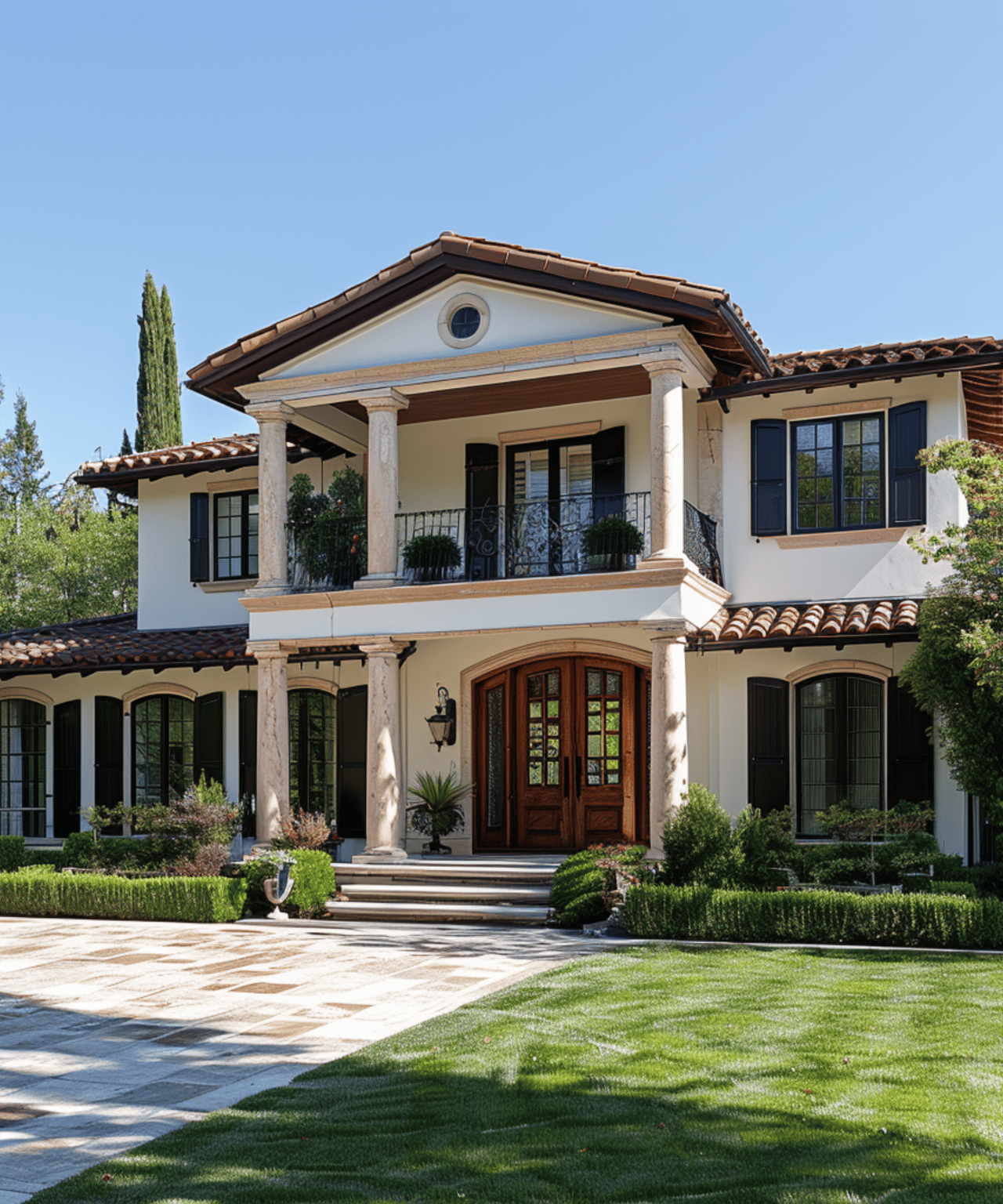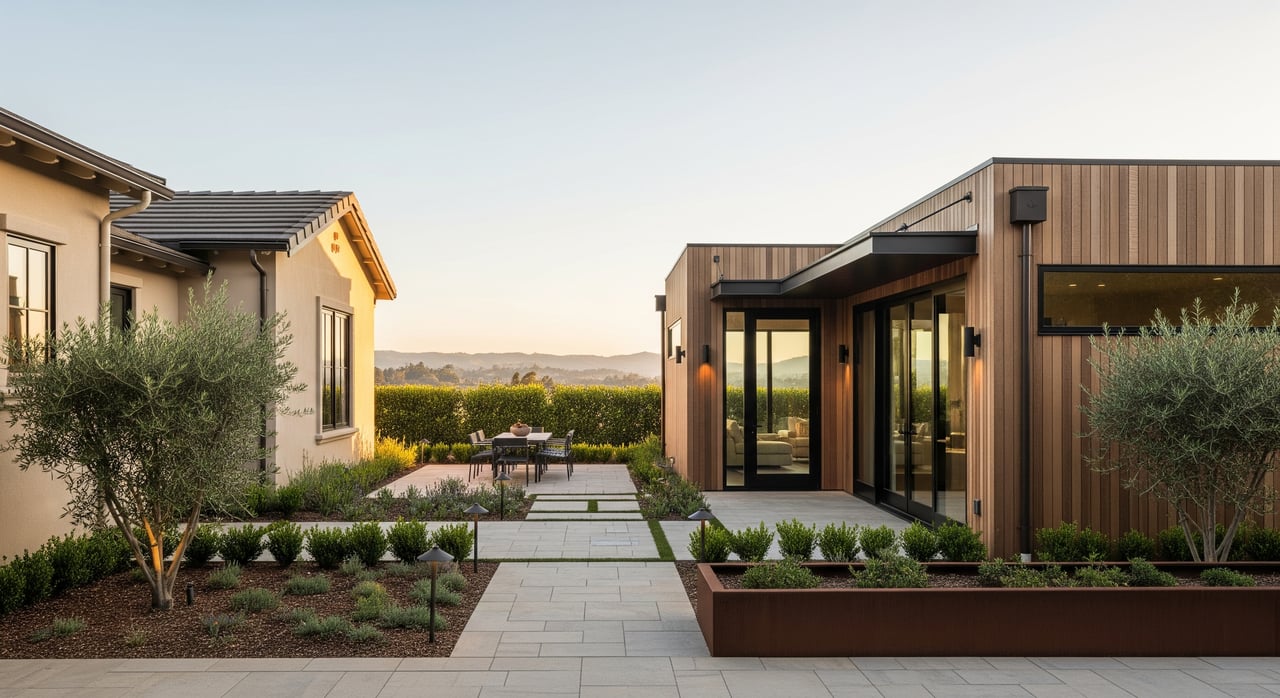
Thinking about adding an accessory dwelling unit to your San Ramon property? Whether you want space for a parent or rental income to offset your mortgage, California’s ADU rules have made it simpler to build. The key is understanding how state law works with San Ramon’s local standards so you design the right unit and get it approved smoothly. In this guide, you’ll learn what California allows, how San Ramon applies those rules, what the permitting path looks like, and practical tips to plan your project with confidence. Let’s dive in.
California ADU basics you should know
California updated its laws to make ADUs faster to approve and easier to build. If your design meets objective standards, your city must review it ministerially, which means no discretionary hearings. You still need full building, fire, and safety compliance, but the process is designed to be more predictable than a typical addition. You can explore the state framework in the California Department of Housing and Community Development’s ADU materials on the HCD website.
State law recognizes several ADU types. You can build a detached ADU as its own small home, an attached ADU as part of your main house, or a conversion ADU by turning existing space like a garage into living space. There is also the Junior ADU, or JADU, which is typically no more than 500 square feet and created within the existing home.
Rules on size and number of units come from state law and local code. The state sets maximums and requires that cities allow at least one ADU on many single-family lots. Cities can adopt objective standards within those maximums. Exact size caps and height limits vary by jurisdiction, so you should confirm the current standards with the City of San Ramon.
Recent reforms also relaxed owner-occupancy limits that used to restrict renting ADUs. In many cases you can rent an ADU out, subject to your city’s rules on short-term rentals and other municipal requirements. For the binding legal framework that cities must follow, review California Government Code sections that govern ADUs, including Government Code §65852.2.
Finally, state law limits when parking can be required for an ADU. For example, if your ADU is within a certain distance of public transit, local parking requirements may be reduced or waived. Even with these state limits, local rules still matter. You will need to meet the California Building Code and energy code as part of your permit, which you can find through the California Building Standards Commission.
How San Ramon applies the rules
San Ramon must follow state ADU law but can set objective local standards for design, size, height, setbacks, and parking. The city’s Planning and Building teams implement these rules during review. Use the City of San Ramon Planning and Building resources to verify the most current requirements and application forms.
Zoning and eligibility
Most single-family residential zones allow at least one ADU if your plans meet objective standards. Multi-family parcels can have different allowances. Lot coverage, floor area, and height standards still apply and can affect what you can build. If your property is in unincorporated Contra Costa County rather than the city limits, check the county’s rules through Contra Costa County.
Setbacks, height, and size
State law often allows reduced side and rear setbacks for detached ADUs. San Ramon can set specific minimums and height limits within state parameters. Second stories or lofts may be possible depending on your zone, design standards, and fire requirements. Confirm the current setback and height limits with the city before you finalize a design.
Parking rules in context
California limits when cities may require parking for ADUs, including proximity to public transit. San Ramon is a suburban city without a BART station inside city limits. Some properties may still qualify for a parking reduction if they sit near transit. To evaluate a potential waiver, check local transit maps like the BART system and consider regional bus routes such as County Connection and WHEELS for distance to stops.
Design overlays and HOAs
If your home is in a design review area or a planned community with CC&Rs, you may face additional design standards or need HOA permission. City review will apply objective standards, but you still need to honor private CC&Rs. Clarify both early so your design process stays on track.
Utilities and connections
Expect to coordinate with water, sewer, and power providers for capacity and connections. Some jurisdictions require separate sewer capacity reviews or connection permits for ADUs. State law limits certain impact fees for smaller ADUs or for conversions of existing space, but local utility fees may still apply. Ask the city which providers serve your address and contact them during design.
Fees and possible incentives
Plan for building permit and plan check fees, and potential utility connection charges. Some cities offer reduced fees or expedited review for ADUs that meet affordability criteria. Verify any current incentives or expedited options with the City of San Ramon or, if your parcel is outside the city, with Contra Costa County.
The permitting path and timeline
Adding an ADU is a construction project, and your plans go through planning clearance and building plan check. Because ministerial review relies on objective standards, approvals are typically faster than discretionary projects. The overall schedule depends on how complete your plans are and how your site handles utilities and access.
Typical steps to approval
- Schedule a preliminary check with San Ramon Planning and Building to confirm zoning and standards.
- Hire experienced professionals to prepare a site plan and construction drawings, including structural and energy compliance.
- Submit your ADU application and building permit. Planning and building reviews often run at the same time for ministerial projects.
- Respond to plan check comments and resubmit as needed.
- Receive permit issuance and pay fees.
- Build the ADU with required inspections at key stages.
- Complete the final inspection and receive approval for occupancy.
What timeline to expect
Simple interior conversions or projects that use standard or pre-approved plans often move the fastest. Detached new construction typically takes longer because of site work and utility coordination. While state law intends faster approvals, realistic timelines still range from a few weeks to several months depending on plan completeness and review cycles.
Ways to speed things up
- Attend a pre-application meeting and review the city’s ADU checklist before design.
- Submit complete, code-compliant plans prepared by professionals who know local standards.
- Coordinate early with your utility providers and the local fire authority.
- Confirm Title 24 energy compliance requirements through the California Building Standards Commission before submitting.
Plan your ADU program first
Before you draw a floor plan, clarify how you will use the ADU. Design and budget decisions flow from your goals.
Who will live there
Are you housing a family member or creating a long-term rental? For multigenerational living, prioritize accessibility, privacy, and quiet. For a rental, consider durable finishes, simple maintenance, and a layout that appeals to most tenants.
Junior ADU basics
A JADU is created within your existing home and is typically no more than 500 square feet. JADUs can be a cost-effective path to add living space with a smaller footprint. They have specific rules on size and connection to the main dwelling, so confirm current standards with San Ramon.
Costs and financing options
Costs vary based on scope. Converting a garage is usually less expensive than a new detached build that needs new utilities and foundation work. Homeowners commonly use home equity loans, construction loans, ADU-focused financing, or cash. Ask the city about any local incentives for affordability or fee reductions that could apply to your project.
Taxes, rental rules, and insurance
Rental income from an ADU is taxable. Speak with a tax professional about income, depreciation, and deductions. New construction can affect your assessed value, so it is smart to check with the county assessor through Contra Costa County. Notify your homeowner’s insurance carrier about the ADU so you have the right coverage. Short-term rentals may require city permits and transient occupancy taxes, so confirm the rules with San Ramon before you list anything.
Value and resale in San Ramon
In the Bay Area, ADUs often improve a property’s rental income potential and can increase buyer appeal at resale. The actual impact depends on location, design quality, privacy, and how well the unit integrates with the main home. If you plan to sell in the next few years, design your ADU with broad appeal, code compliance, and clear documentation so buyers and appraisers can easily understand its value.
As a Tri-Valley focused team, we see ADUs change the conversation for both move-up families and downsizers. A well-executed unit can create flexibility for multigenerational living or a steady income stream that supports your next move. If selling is on the horizon, plan your ADU timeline and finishes with resale in mind.
Your first three moves
- Confirm your zoning and eligibility with the City of San Ramon Planning and Building. Ask about a pre-application meeting.
- Sketch a simple site plan and floor plan. Bring your assessor’s parcel number, lot dimensions, and any prior surveys.
- Identify your utility providers and start a quick capacity and connection checklist. Clarify whether separate meters or connection fees will apply.
When you are ready to weigh costs, resale impact, and timing, get a local perspective. The Couture Real Estate Team advises Tri-Valley owners on which projects add value, how to plan a smart scope, and when it makes sense to sell versus build. If you want tailored guidance on what an ADU could do for your San Ramon home and future move, reach out to the Couture Real Estate Team.
FAQs
Can I add an ADU on my San Ramon lot?
- It depends on your zoning, lot coverage, setbacks, and objective standards. Confirm eligibility with the City of San Ramon Planning and Building.
How big can my San Ramon ADU be?
- State law sets maximums and the city can adopt objective local caps. Check current size and height limits with San Ramon before finalizing plans.
Do I need to provide off-street parking for an ADU?
- Maybe. California limits when parking can be required, including near public transit. San Ramon’s rules apply, so verify any exemptions based on distance to transit.
What permits do I need for an ADU in San Ramon?
- You will submit for planning clearance and a building permit, with plan check for building, fire, and Title 24 energy compliance. Ministerial ADUs are reviewed under objective standards.
How long does ADU approval take in San Ramon?
- Timelines vary by scope and plan completeness. Simple conversions can take weeks while new detached units often take several months, including plan check and resubmittals.
Can I rent my ADU short-term in San Ramon?
- Check the city’s short-term rental rules and any permit or tax requirements before listing. State law allows ADUs broadly, but local rental regulations still apply.
Will an ADU raise my property taxes in Contra Costa County?
- New construction can affect assessed value. Contact the county assessor through Contra Costa County and consult a tax professional for guidance.
Where can I find the California laws that govern ADUs?
- Review HCD’s ADU guidance on the HCD website and the statute in Government Code §65852.2 for the binding legal framework.