The first wine Lanny and Fran Replogle ever made under their own label had a window on it. The image came from a photograph of a red-brick archway inside the old Ruby Hill winery in Pleasanton. The wine was called Ventana, Spanish for "window," and it was bottled in 1976 from grapes grown on the Ruby Hill site, according to the Pleasanton Weekly's 50th-anniversary profile of Fenestra Winery.
That archway is gone. So is the building around it. The winery that Fenestra became is still pouring on Vallecitos Road in Livermore, and this fall it is marking half a century. For anyone who lives in Ruby Hill, Fenestra's anniversary is also a piece of the neighborhood's own history. The craft practiced inside the brick winery that gave the community its name left the property in 1980 and has been in continuous production ever since, just over the line in Livermore.
A three-story winery on a red clay knoll
The name goes back to John Crellin. In 1883, the same year Carl H. Wente founded his winery in Livermore, Crellin bought 450 acres near what was then the small town of Pleasanton and planted vines. He built a three-story winery into a red clay knoll and called it Ruby Hill. By the 1890s it was one of the largest producers in the valley, according to a 2002 Pleasanton Weekly history of the site. The sign over the door read "Ruby Hill Winery, 1887."
The building was designed for gravity. Crushed and fermented wine flowed down through its three levels to barrel storage on the ground floor. The Crellins sold it to Ernest Ferrario in 1921, and he labeled his bottles "Gem of Wines." By the 1960s Ruby Hill was known mostly for bulk wine. Local winery historian Gary Drummond told the Weekly that customers brought empty jugs and Ferrario would ask, "What do you want, black or white?"
The Stony Ridge years, when Fenestra's founder learned the trade
In 1970, Ferrario's son-in-law negotiated the sale of Ruby Hill Winery to his employer, Southern Pacific Railroad. Harry and Leonard Rosingana leased the winery, renamed it Stony Ridge, and hired Lanny Replogle as winemaker. Replogle had been teaching organic chemistry at San Jose State University since 1961 and making wine at home.
He described those early days to the Pleasanton Weekly in 2002:
"The Rosingana brothers were 'free spirits.' There was a hot tub next to the winery house where they lived. They foot-crushed the grapes at their harvest crush parties, and then jumped right into the hot tub."
The building had a dirt floor and old equipment, but Replogle sharpened his commercial skills there, and Stony Ridge wine sold nationally. He had no winery equipment of his own, so he made a deal with the Stony Ridge owners. He would consult for their winemaking team, and in return he could use their facility to make his own Ventana label from grapes off the former Ruby Hill vineyards.
Ventana didn't keep its name. Ventana Vineyards in Monterey objected, so the Replogles switched to Fenestra, which means "window" in Latin. That kept the meaning behind the archway label.
Two nineteenth-century wineries, two different fates
In 1980 the Replogles moved to another old brick winery a few miles away. From there, the two buildings went in opposite directions.
| Year | Ruby Hill winery, Vineyard Avenue | George True winery, Vallecitos Road |
|---|---|---|
| 1880s | Crellin plants vines in 1883; the sign reads 1887 | George True builds his winery in 1889 |
| 1980 | Replogle leaves Stony Ridge to open Fenestra | The Replogles lease the abandoned building and haul out enough debris to fill seven dumpsters |
| 1982 | Computerland buys the property; Stony Ridge moves its equipment to barns at the neighboring Hagemann Ranch | Fenestra is producing in the old cellar |
| 1989 | Fire guts the abandoned building | Still in use; the rustic tasting area served its first 17 years |
| 1997 | Vineyards are replanted in the late 1990s | Renovation keeps three original brick walls and adds a second story |
| 2002 to 2007 | A new winery rises down the ridge in 2002 | The Replogles buy the property in 2007 |
The True building had been empty a long time before the Replogles arrived. Fenestra's own history says it had not operated as a winery in more than 20 years. The family took it anyway. Built into the hillside, it stayed naturally cool, had channeled floors, and had room for both production and sales. Fenestra calls itself Livermore Valley's first boutique winery. When it opened, it was one of only five wineries in the valley.
How a vineyard fight became the neighborhood
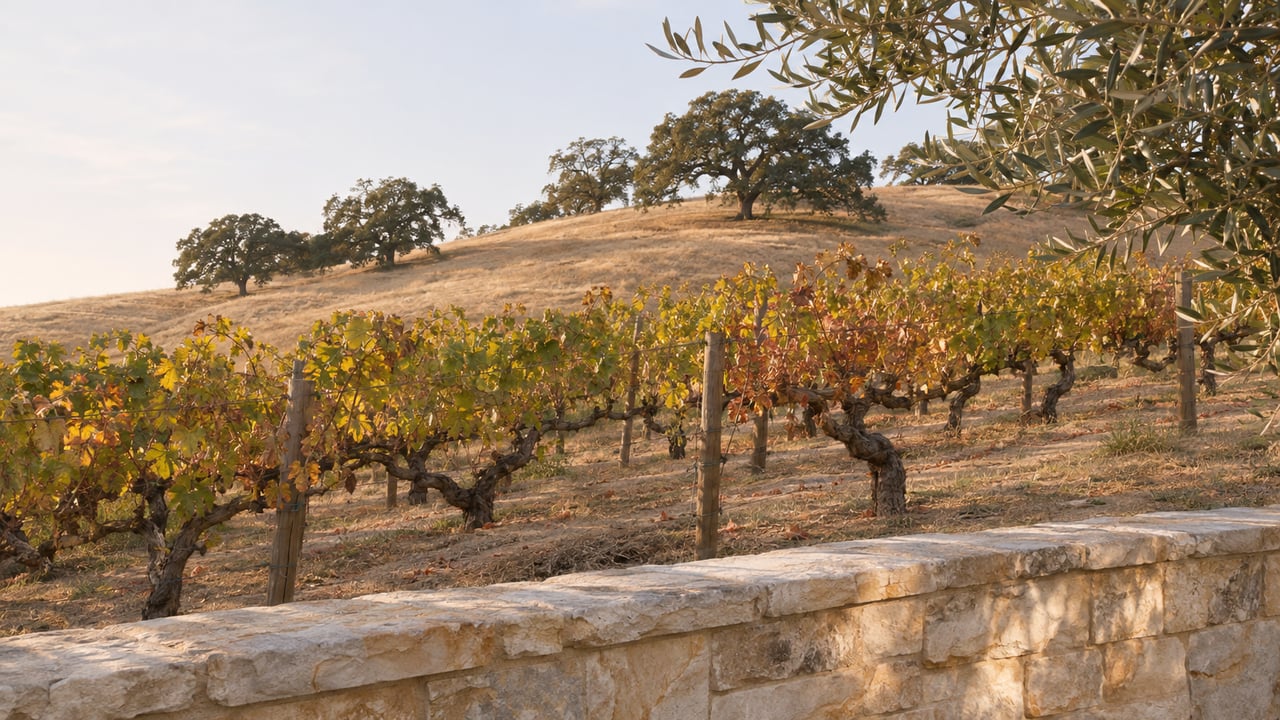
Ruby Hill's buildings were lost, but the fight over its vines shaped the ground the community stands on today. Computerland tore out the Ruby Hill vineyards to build a corporate training campus. A group called Friends of the Vineyards formed in protest, and the South Livermore Valley Specific Plan grew out of their concerns. Under the plan, the Ruby Hill development and the 20-acre vineyard sites around it were created, Wente Vineyards bought the winery property, and Pleasanton annexed the area. Signature Properties built the gated community in 1992 with 850 lots, according to a 2007 Pleasanton Weekly profile.
The old winery got no rescue. In 2002, Ruby Hill resident Mike Callahan bought the property, and winemaker Mitchell Katz opened Mitchell Katz Winery at Ruby Hill in a new building down the ridge from the demolished original. The Weekly reported that terra cotta bricks from the old winery were slated for the new facade, with leftovers paving the driveway. A 2003 Weekly column said bricks from the old walls did go into the replacement winery. Wente kept farming 97 acres of vines replanted in the late 1990s.
Today Ruby Hill Winery pours at 400 Vineyard Ave. in Pleasanton. The Pleasanton Weekly named Eric Callahan as its managing member in February 2026.
Fenestra at 50, as it pours this season
The chemistry professor never really stopped thinking like one, and you can taste that history on Vallecitos Road. He made the first True Red in 1985. Its label evokes the periodic table, it is still Fenestra's best-selling wine, and it is the only Fenestra wine distributed outside the winery. The flagship, Conjugation, is a blend of the five Bordeaux grapes with line drawings modeled on how chemists draw carbon bonds, and it won gold at the 2026 San Francisco Chronicle Wine Competition. The newest red blend, Azulene, takes its name from the organic compound Replogle studied for his PhD. In all, Fenestra sells 27 wines.
It is still a family operation. Lanny keeps a hand in the winery. His son Eric handles overall business strategy. Eric's wife Robin runs events and customer experiences. Aaron Luna is the winemaker.
Robin Replogle told The Independent that the winery began celebrating its anniversary on Jan. 1, and the big estate weekend followed in August. On Saturday, Nov. 14, Fenestra will open Merlots from 1982, 1983 and 1984 for a "Memories of Merlot" tasting. Those wines were made in the True cellar within a few years of the move from Ruby Hill. On Wednesday, Nov. 18, "50 Years of Wine, 50 Years of Community" goes to the Bankhead Theater in downtown Livermore, with proceeds benefiting Tri-Valley Haven. Fenestra will share the night with Page Mill Winery. The Independent reports that Dick and Ome Stark founded Page Mill in 1976 on Page Mill Road in Palo Alto and moved it to Livermore in 2004.
For a visit of your own between now and the end of the year:
- Tasting room hours: Fenestra's tasting room page lists Friday through Sunday, 11:30 a.m. to 4:30 p.m., with last seating for a full tasting at 3:15 p.m. A public tasting is $20, and reservations are encouraged.
- Picnics: You can picnic on Sundays with a bottle purchase.
- Holidays in the Vineyards, Dec. 5 and 6: The Livermore Valley Winegrowers Association's annual holiday weekend runs noon to 4:30 p.m. both days at participating wineries. Admission is free, and tasting fees vary by winery. Bring an unwrapped toy for Toys for Tots, and Pacific States Petroleum will match donations toy-for-toy, up to $25,000.
- A placeholder for New Year's Eve: Fenestra lists a "50th Celebration!" on Dec. 31, 2026, and notes that dates are subject to change. Check the events page for details.
Fenestra's 50 years started inside the brick walls on Ruby Hill's knoll, and some of those bricks are now part of the winery on Vineyard Avenue.
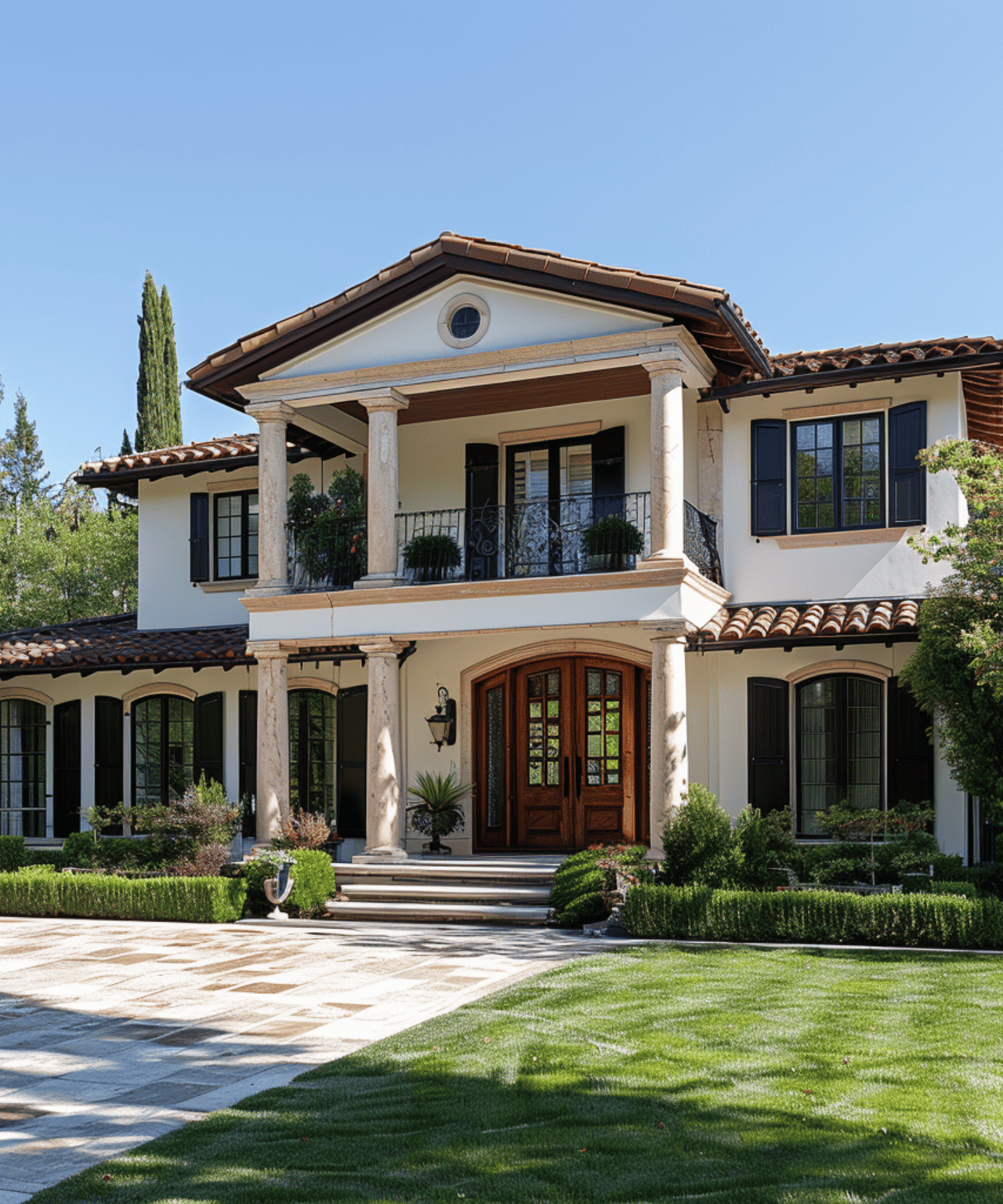
We love telling the stories behind Tri-Valley addresses, and the history of the land your home sits on is part of what makes it valuable. If you own in Ruby Hill and want to know how your home compares this season, Katherine and Michael Couture will put together a clear, local read on its value. Get your free home valuation.