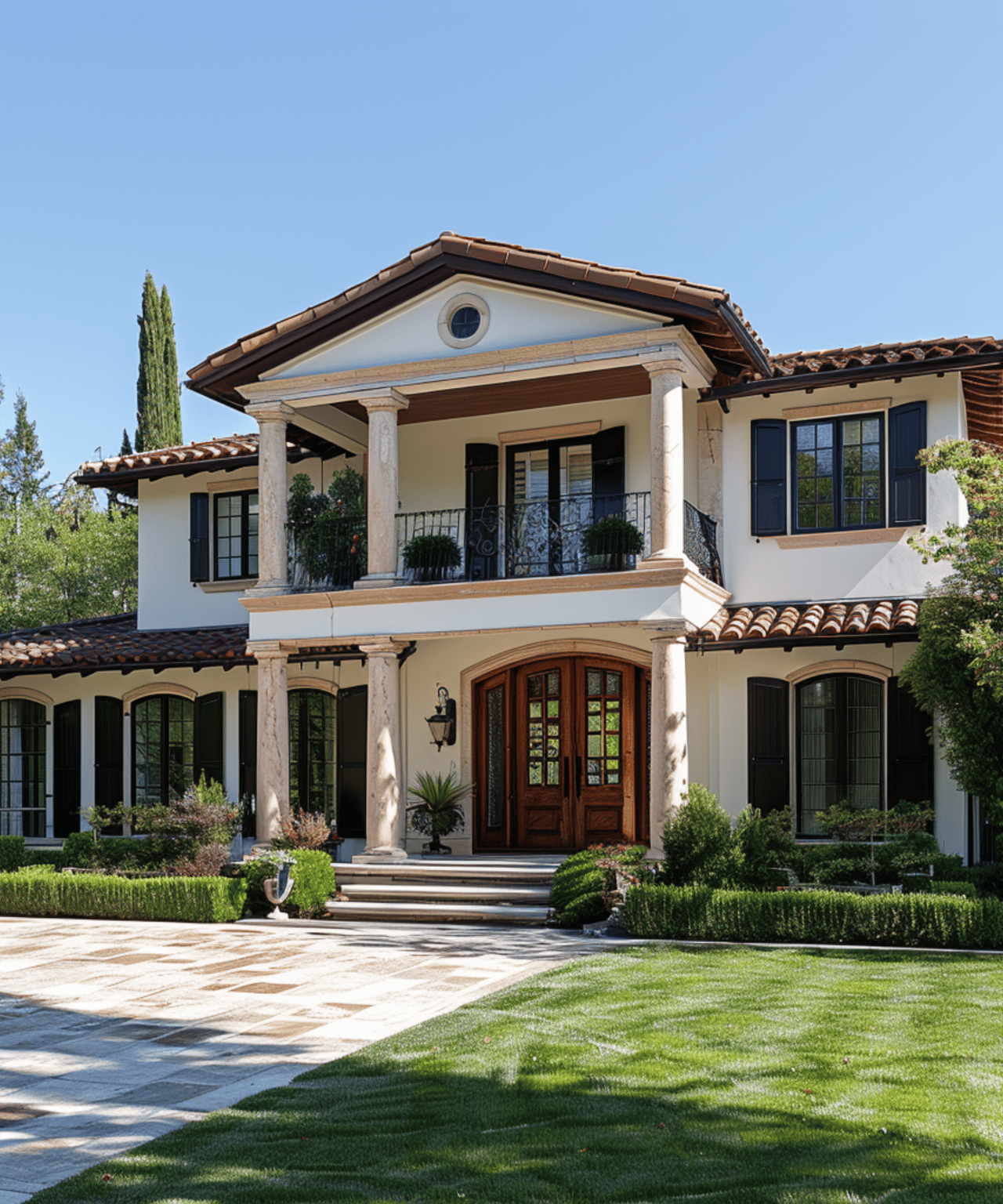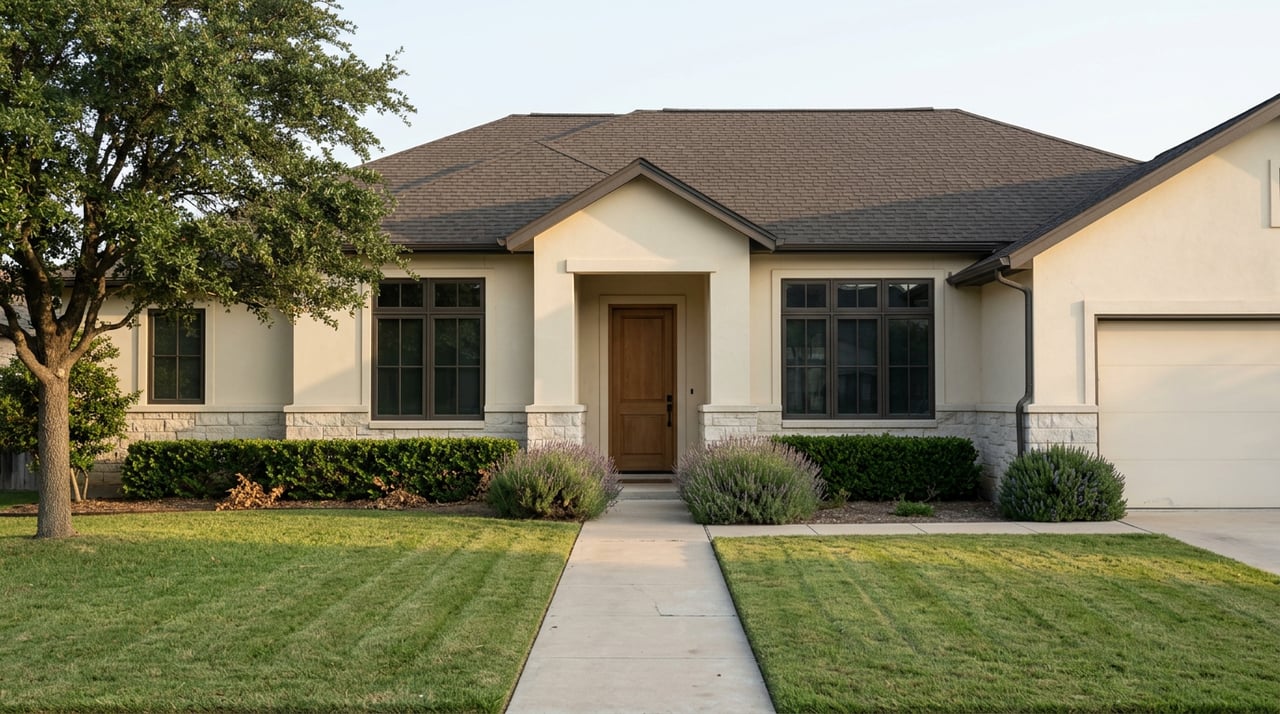
If you've spent any time comparing homes in Dublin this summer, you've probably absorbed the same shorthand every buyer eventually does: East Dublin is where the new construction and the higher prices live, the west side of town is where the older, smaller, more affordable stock sits. It's a tidy story. It also doesn't match what actually happened in Dublin's own neighborhood-level data this year.
In June 2026, West Dublin's median sale price climbed 3.1% year over year to $1,407,011. In that same month, East Dublin's average house price fell 16.2% year over year to about $1.4 million. Read those two sentences again. The neighborhood everyone assumes is cooling went up. The neighborhood everyone assumes is hot went down. If you're pricing a listing or sizing up a purchase using the east-west split as your mental map, you're working from a story the numbers already contradicted.
Two Different Measurements, One Real Lesson
Before going further, it's worth separating two things that sound similar but aren't: median price and average price. West Dublin's June 2026 figure is a median, the middle sale in the stack. Its average price for the same period, calculated a different way on the same data, actually fell 15.6% year over year to $1.65 million. That gap between a falling average and a rising median tells you something specific: a handful of very high sales that inflated last year's comparison window simply didn't repeat this year. The neighborhood's typical home didn't lose value. Its top end just had a quieter year.
That's the pattern to watch anywhere in Dublin. A big year-over-year swing on a small pocket of sales is often a story about which handful of houses closed, not about the neighborhood's direction. Downtown Dublin is the clearest example. Over the three months ending October 2025, its trailing median sale price registered at $2.5 million, a jump of 129.8% year over year. That number is real. It's also built on a small, transit-oriented infill sample where one or two larger closings can swing the median by six figures. Treat it as a snapshot of a thin market, not a signal that downtown pricing doubled.
What the Ranches Actually Show
Redfin's own city breakdown splits Dublin into East, West, and Central. That's useful, but it still flattens something important: within East Dublin alone, the master-planned communities built since the mid-2000s don't behave as one market. They behave as several, and the gate matters more than the compass direction.
Wallis Ranch, the gated community built by a mix of national builders including Trumark, Pulte, KB Home, Taylor Morrison, and D.R. Horton starting in 2016, has been trading with recent list prices averaging around $1.75 million. Residents there get a private clubhouse with a pool, spa, fitness center, and event space, along with newer builder-era systems throughout. A short drive away, Dublin Ranch, one of the earliest phases of the same eastern corridor, posted a median sale price of $1.1 million in February 2026, up 30.8% year over year but sitting on the market for 53 days on average. Both communities carry the "East Dublin" label. Neither prices like the other.
Jordan Ranch and Positano, both off Fallon Road, sit in between. Jordan Ranch alone contains nine distinct sub-neighborhoods built out by four different builders, ranging from smaller attached townhomes to detached homes with 4,000 to 5,000 square foot lots. Positano is known more for consistent single-family curb appeal on smaller lots. Neither is interchangeable with Wallis Ranch's gated, amenitized product, even though a citywide or even an east-west average would lump them together.
Here's the comparison laid out with a consistent source and clearly labeled time windows, because mixing data sources without saying so is exactly how the flattened east-west story gets told in the first place:
| Character | Price | As of | Days on market | |
|---|---|---|---|---|
| West Dublin | Older, established stock, smaller lots | $1.41M median, up 3.1% YoY | June 2026 | 36 days (Feb 2026) |
| East Dublin (overall) | Post-2005 master-planned tracts | $1.4M average, down 16.2% YoY | June 2026 | 32 days |
| Dublin Ranch | Earliest East Dublin phase, broad mix of vintages | $1.1M median, up 30.8% YoY | Feb 2026 | 53 days |
| Downtown Dublin | Small trailing sample, transit-oriented infill | $2.5M median, up 129.8% YoY | Trailing 3 months ending Oct 2025 | Sample too thin to report reliably |
The takeaway isn't that any one of these numbers is wrong. It's that averaging them into a single "Dublin" figure, or even a single "East Dublin" figure, erases the exact information a buyer or seller needs most.
The Fallon Corridor's Long Game
There's a forward-looking reason the newer eastern pockets, Jordan Ranch, Positano, and the broader Fallon Gateway area, have carried a construction-era premium beyond just square footage and finishes. The Dublin Boulevard Extension Project, a 1.5-mile road extension from Fallon Road east into Livermore's North Canyons Parkway, is currently midway through its design phase, with final design expected in fall 2026. The city has identified roughly $76 million for the project so far, and construction, once funding is fully secured and permits are issued, is expected to take 18 to 24 months.
That project has been in Dublin's general plan since 1984, so it's not a surprise announcement. What it means practically is that the Fallon corridor, the same stretch where Jordan Ranch and the newer Fallon Village phases sit, is positioned to gain a more direct road connection to Livermore once the extension is built. Buyers paying a premium in that corridor aren't only paying for newer construction. They're paying, in part, for a location that's expected to get easier to move through in the coming years.
What This Means If You're Pricing a Dublin Home This Fall
- Don't price off the citywide median. Dublin's overall median sale price was $1.4 million in March 2026, down 7.9% year over year, with homes averaging 20 days on market compared to 14 days the year before. That's a useful headline number and a poor pricing tool for any specific address.
- Match your comps to your pocket, not your compass direction. A West Dublin ranch home and an East Dublin Wallis Ranch listing can share a zip code and nothing else in terms of what drives their value.
- Weight recent small-sample swings carefully. A 100%-plus year-over-year jump on a pocket with a handful of closings is a data artifact worth understanding, not a market to chase.
- If you're eyeing the Fallon corridor for its long-term trajectory, know the extension's timeline: final design in fall 2026, then 18 to 24 months of construction once funding and permits are fully in place.
A Few Questions Worth Asking Before You Price or Offer
Is Dublin a buyer's market or a seller's market right now? As of February 2026, months of supply sat around 2.2, which is historically still considered seller's-market territory, even though it's well above the near-zero supply Dublin saw during 2021 and 2022. It's a more balanced market than it's been in years, but not yet a buyer's market by the usual definition.
Does an older West Dublin home carry less resale value than newer East Dublin construction? Not automatically. West Dublin's median sale price rose in the same month East Dublin's average fell. Vintage matters less on its own than condition, lot size, and whether a specific pocket has recent comparable sales to point to.
Why do Downtown Dublin and other small pockets show such volatile percentages? Small sample sizes. When only a handful of homes sell in a trailing period, one or two unusually priced closings can swing a year-over-year percentage far more than the underlying market actually moved.
If you're trying to figure out what your Dublin home is actually worth in its specific pocket, or which of these master-planned corridors fits what you're looking for next, that's exactly the kind of comparison Couture Real Estate Group works through with clients every week. Get your free home valuation and we'll tell you where your address really sits, not where the citywide average says it should.